
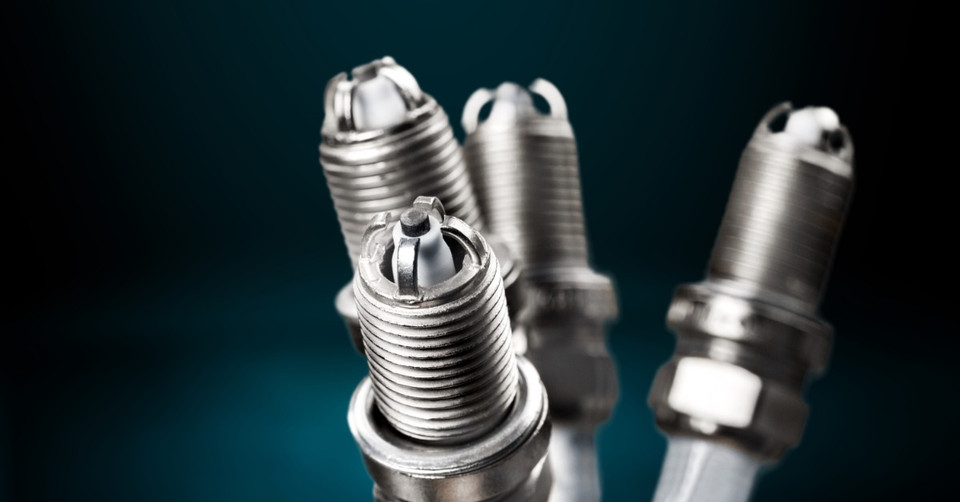
Spark plugs trigger combustion by firing an electrical arc across a small gap at the tip. The arc ignites the air-fuel mixture at the precise moment the engine control system commands it.
It’s only a matter of time before your vehicle’s spark plugs need replacing. Your Toyota vehicle that once started instantly and pulled cleanly can begin to feel rough at idle, hesitate under load, or return worse fuel economy.
Denso Toyota spark plugs made from iridium are long-lasting components that produce a strong, consistent spark. Before you buy new spark plugs, find out what iridium does inside the combustion chamber and why these spark plugs offer dependable ignition over long intervals.
Why Iridium Is a Dependable Material
The plug’s tip sits in extreme conditions, with repeated heat cycles, pressure spikes, and exposure to fuel additives and combustion byproducts. As miles add up, the electrodes wear down. The center electrode rounds off, the ground strap erodes, and the gap grows.
Large gaps demand additional voltage to jump the distance. When the ignition system works harder to fire the plug, misfires become more likely under load, at cold start, or during high-cylinder-pressure situations.
Iridium doesn’t add power on its own; it supports consistent combustion for a functional, high-performance engine. The material resists heat and electrical erosion. Because of its composition, manufacturers can use a very fine center electrode tip without sacrificing durability. The fine tip concentrates the electrical field at the point of discharge, which helps the spark ignite consistently.
Iridium’s real advantage shows up over time. The tip keeps its shape longer, so the gap stays closer to spec through tens of thousands of firing events. A stable gap supports smooth idle quality, crisp throttle response, and reliable starts across changing weather.
Spark Plug Materials: Iridium vs. Copper vs. Platinum
Copper plugs conduct electricity well, but copper tips wear quickly because the electrode material erodes under heat and spark discharge. That erosion grows the gap sooner, which shortens service intervals.
Platinum combats wearing better than copper. Many platinum plugs use a platinum pad on the center electrode or both electrodes. The material can deliver a long service life in many applications, though it still tends to wear down faster than iridium in high-mileage, long-interval use.
Iridium handles high temperatures and spark erosion exceptionally well. Its durability supports the long intervals many Toyota engines follow.
Why Denso Iridium Plugs Fit Toyota Vehicles
Denso supplies original equipment components for many Japanese vehicles, including Toyota. A Denso plug built for a Toyota application aligns with the ignition system’s needs—from heat range to electrode design to resistor values—to decrease electrical noise.
A spark plug that completely matches the ignition system matters because precise resistance and firing behavior are necessary to function correctly. A plug with the wrong heat range or design will deteriorate faster, run hotter than intended, or cause drivability issues that become serious engine problems.
The Factors That Affect Spark Plugs’ Lifespan
Mileage estimates help you determine when to replace spark plugs, but their lifespan depends on driving conditions. The following scenarios could affect the spark plugs’ quality and how long they last, making routine maintenance even more important.
Engine Condition and Oil Consumption
Oil consumption leaves ash deposits on the insulator and electrodes. The deposits disrupt the spark path and facilitate misfires. Valve cover leaks that fill plug wells with oil can cause coil boot damage, which creates misfire symptoms even with new plugs.
Fuel Quality and Deposits
Poor fuel quality or heavy additive use can increase deposits. Direct-injection engines may show different deposit patterns than port-injected engines. Deposits do not always mean failure, but heavy buildup can reduce spark stability.
Heat Range and Plug Selection
Heat range controls how quickly a plug transfers heat from the tip into the cylinder head. A plug that runs too cold may foul, while a plug that runs too hot may accelerate wear or encourage preignition risk in extreme cases. Choosing OEM spark plugs designed for the vehicle’s make and model will prevent these problems.
Gap, Torque, and Small Details That Affect Results
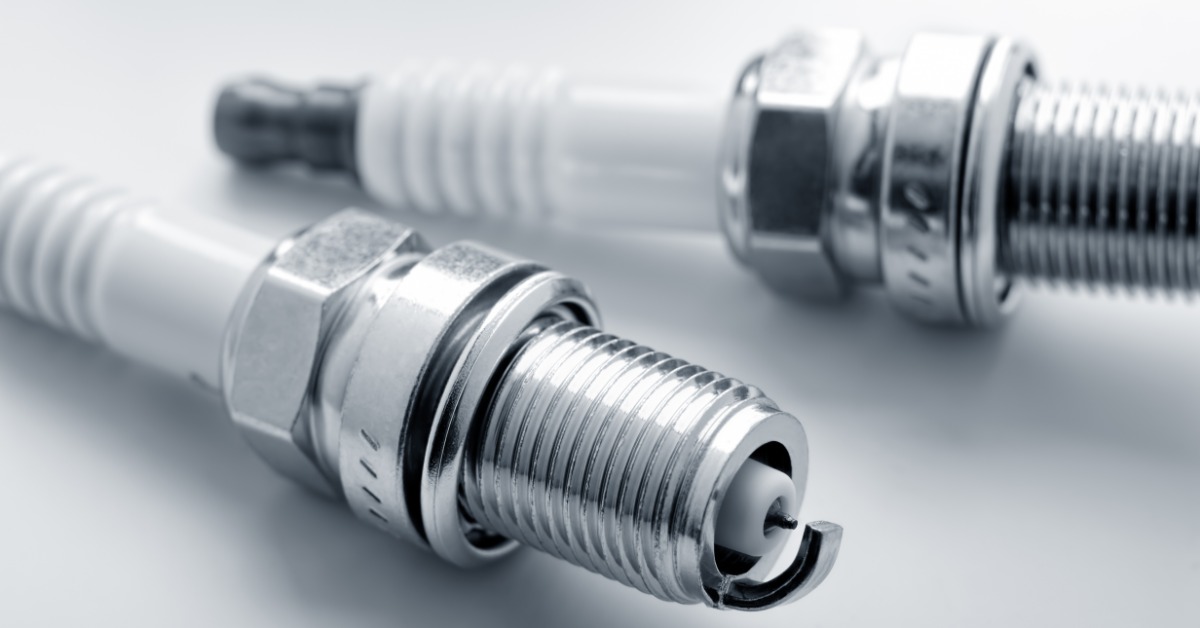
A spark plug’s performance depends on more than material. A plug must seal correctly, transfer heat correctly, and fire consistently. Several practical details influence those outcomes.
Plug Gap and Why It Matters
Some Toyota applications use pre-gapped plugs, while others call for verifying the gap. Gap fluctuations require care because the fine-wire tip can suffer damage if it’s handled roughly.
A gap that’s too wide increases required voltage, while a gap that’s too tight can reduce spark exposure to the air-fuel mixture. Following the engine’s specifications supports stable ignition and reduces coil stress.
Correct Seating and Torque
Correct torque matters because it affects heat transfer from the plug shell into the cylinder head. Under-torque can reduce heat transfer and risk loosening. Over-torque can damage threads or crush the gasket beyond its intended range.
Thread condition, washer type, and seat design all influence the final seal. Matching the plug to the application aligns every variable.
The Signs That Your Toyota Needs New Spark Plugs
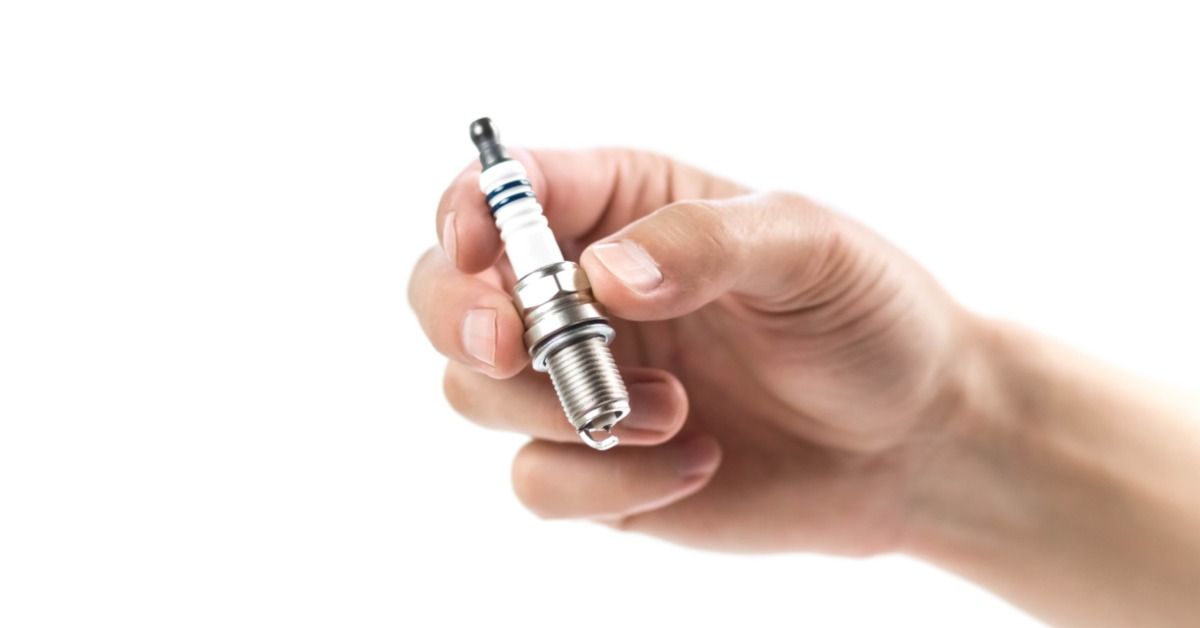
Spark plugs usually wear gradually, so symptoms may build over time. Paying attention to early signs helps avoid rough running that stresses the ignition coils and catalytic converter. Common signs include:
- Rough idle that feels worse when the engine warms up
- Hesitation during acceleration or climbing grades
- Increased fuel consumption without changes in driving habits
- Engine misfire codes or a flashing check engine light
- Longer crank time during cold starts
A flashing check engine light signals an active misfire severe enough to risk catalyst damage. That situation calls for prompt diagnosis rather than continued driving.
What To Expect From Service Intervals
Many Toyota applications that use iridium plugs follow long replacement intervals, frequently around the 100,000-mile range. The results vary by model, engine family, and operating conditions. Be sure to check the Toyota owner’s manual for recommendations based on your vehicle’s specs.
Replacing plugs on schedule keeps ignition demand predictable. It supports smooth operation, reduces strain on coils, and helps maintain consistent combustion over the life of the engine.
Find Iridium Spark Plugs at Yota Shop
Iridium spark plugs support long service intervals because the electrode tip resists erosion and holds its shape through repeated heat cycles. That durability keeps the gap closer to spec for longer, which helps maintain smooth starts, stable idle, and consistent combustion as miles add up. Iridium Denso Toyota spark plugs have incredible longevity because of the material’s strength, their fine-wire design, and their ability to fit the engine’s needs.
For Toyota owners who want dependable OEM ignition components, Yota Shop offers quality Denso car parts. Check the correct spark plug fitment for the vehicle and order through Yota Shop to keep the engine running the way Toyota intended.