
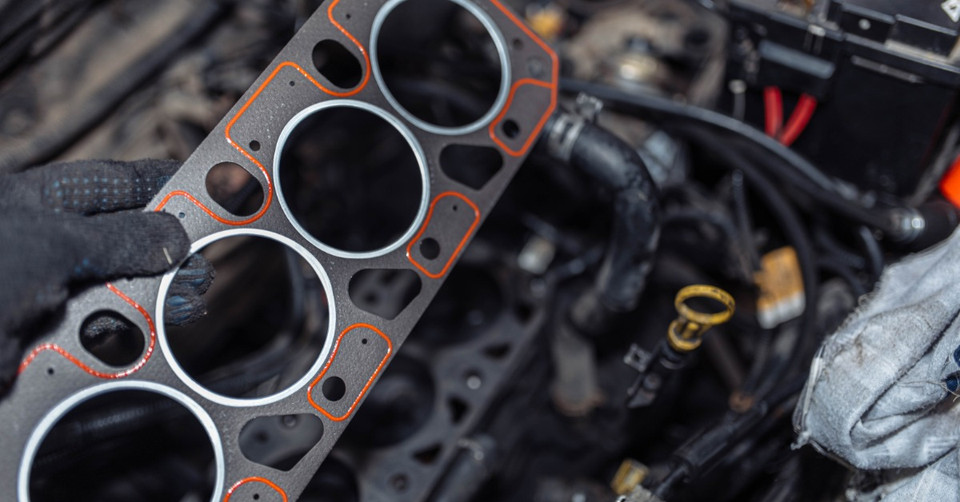
Engine gaskets don’t get much attention until something goes wrong. They sit quietly between critical components, sealing combustion chambers, coolant passages, and oil galleries under relentless heat and pressure. When you’re rebuilding a truck engine, the gaskets you choose directly determine how long that engine lasts.
Toyota engines have precise tolerances, and every sealing surface reflects that precision. Choosing the right gasket is about protecting the investment you’ve put into a restoration. The differences between OEM and aftermarket engine gaskets are an ongoing conversation, and their qualities go well beyond price. Selecting the wrong gasket for the truck can shorten the engine’s lifespan and invite leaks. Compare both options to figure out which one is best for your vehicle.
What a Restoration Actually Means
Restoration, repair, and upgrade are three distinct approaches to a vehicle project. People use these terms interchangeably, but each one sets a different standard for the parts and decisions involved.
A repair addresses a specific failure, returning a broken component to working condition. An upgrade intentionally improves on the factory design, pursuing performance gains or enhanced durability beyond what the original engineers specified.
A restoration operates by a different set of principles entirely. The objective is authenticity. Returning the vehicle to the condition it left the factory in means using components that match the original specifications. Aftermarket components, even quality ones, introduce deviations from that standard. Restorations demand factory-correct parts because the integrity of the build depends on them.
What OEM Gaskets Actually Deliver
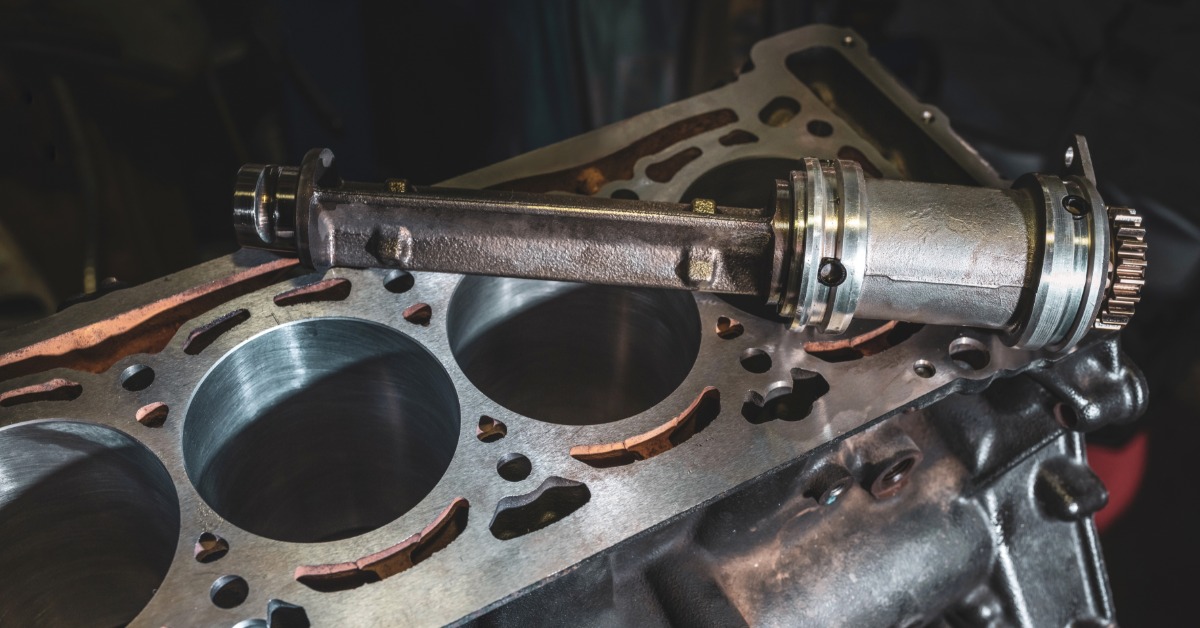
OEM stands for original equipment manufacturer, meaning these gaskets come from the same supplier that produced the parts used on the assembly line. Toyota engineers design their engines as complete systems, and OEM gaskets reflect that systems-level thinking.
Every thickness, material composition, and surface coating on an OEM gasket is validated against the specific engine it’s made for. The head gasket on a 22R-E, for example, accounts for the deck height, bolt torque specifications, and thermal expansion rates of that particular block and head. No guessing is necessary; the fitment is exact, and the materials are proven over hundreds of thousands of miles in real-world conditions.
The Aftermarket Landscape
Aftermarket gaskets cover a wide spectrum. Some manufacturers produce high-quality components that closely replicate OEM specifications, while others cut corners on materials to decrease production costs.
Budget aftermarket gaskets commonly use thin base materials or low-grade coatings. Under the heat cycles of a truck engine, those shortcuts translate into compression failure, coolant leaks, or oil seepage. Sometimes, this occurs within the first season of driving.
Material Differences Worth Understanding
Head gaskets receive the most punishment of any gasket in the engine. They seal between the block and cylinder head, managing combustion pressures that spike with every power stroke. OEM head gaskets use multilayer steel construction with elastomer coatings calibrated specifically for the engine model’s combustion characteristics.
Valve cover gaskets, intake manifold gaskets, and oil pan gaskets each involve different materials suited to their specific environments. The formulation of OEM rubber and cork composites resist the exact fluids and temperatures. On the other hand, aftermarket versions are likely to have generic compounds that technically fit the vehicle, but they degrade at varying rates.
Disassembling the engine twice isn’t what you want for a restoration project. Gasket failure after a full engine rebuild means pulling apart components that you just reassembled, repeating the labor, and sourcing parts a second time. Getting long-lasting materials that work the first time correctly is the goal.
Cost vs. Long-Term Value
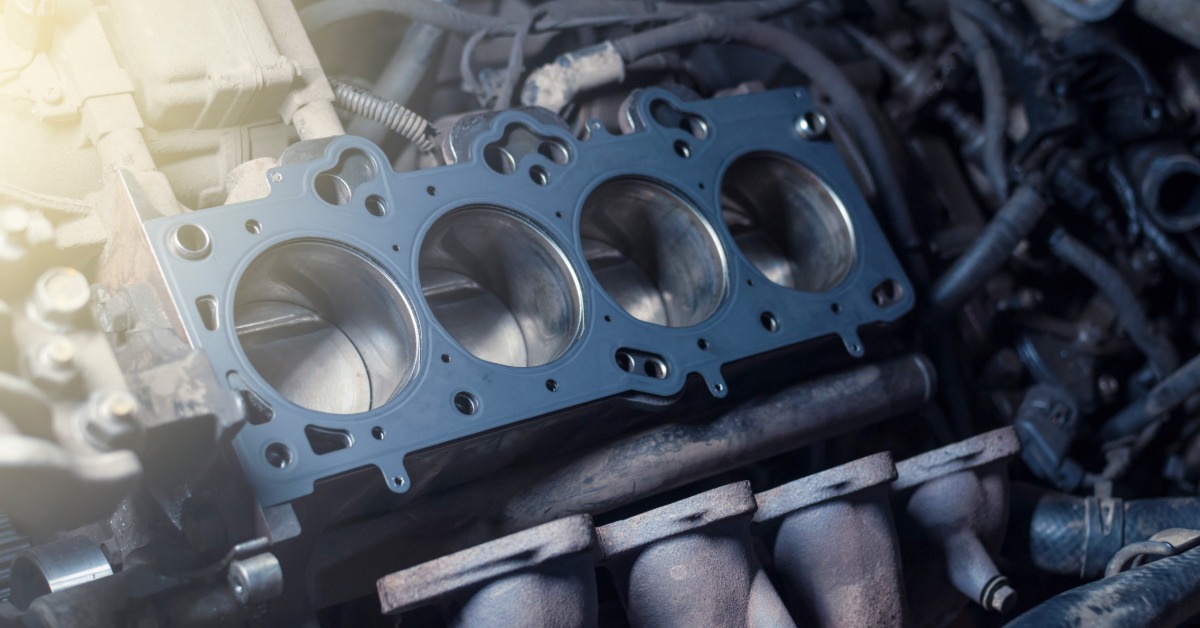
Aftermarket gaskets are likely to have a lower upfront price than OEM parts. The gap ranges from modest to significant, depending on the application, and that difference is genuinely tempting during a budget-conscious build.
The real calculation involves labor. Gasket replacement on a truck engine typically means draining fluids, removing exhaust components, and sometimes pulling the head entirely. Doing that work twice because a cheap gasket failed costs far more in time and money than the savings at the parts counter. A weekend lost to a repeat repair is frustrating, but it’s avoidable.
OEM gaskets don’t eliminate the risk of failure entirely. However, they reduce the risks dramatically because they’re engineered to the exact application, with tolerances set by the people who designed the engine.
Why Aftermarket Parts Don’t Fit Restorations
Restorations prioritize authenticity above everything else. Introducing an aftermarket gasket, even a premium one, breaks from the factory specification and undermines the core purpose of the project. The fit may be close, and the materials may perform adequately, but those aren’t restoration standards.
Aftermarket components belong in upgrades. Enthusiasts building for performance choose specialty head gaskets rated for elevated cylinder pressures that a stock engine never produces, and those parts serve a legitimate purpose in that context. A restoration pursues the opposite: strict adherence to what Toyota engineers originally developed. Choosing aftermarket parts in a restoration redefines the project as something else entirely.
Sourcing OEM Gaskets Reliably
When you decide to choose OEM engine gaskets for a truck restoration instead of aftermarket parts, you need to know how to identify both types of parts. Gaskets listed as OEM-equivalent or OEM-grade often aren’t, and distinguishing genuine parts from imitations without disassembling the packaging is nearly impossible.
Working with a trusted supplier who specializes in Japanese OEM components for Toyota trucks removes that uncertainty. Verified sourcing means the part in the box matches the specification on the label, and the fitment reflects what the engineers intended. For enthusiasts investing serious time and money into a restoration, sourcing matters as much as installation.
Get the Right Parts the First Time
Yota Shop stocks genuine Japanese OEM gaskets and engine components sourced directly from trusted suppliers. Every part in the catalog is authentic, so the gasket you order is the correct gasket for the engine. Quality components paired with knowledgeable customer service mean your restoration gets the support it deserves from start to finish.
Visit Yota Shop to browse the full catalog, or reach out directly for a quote. As your go-to Toyota parts store, Yota Shop is ready to help you source exactly what the build calls for.