
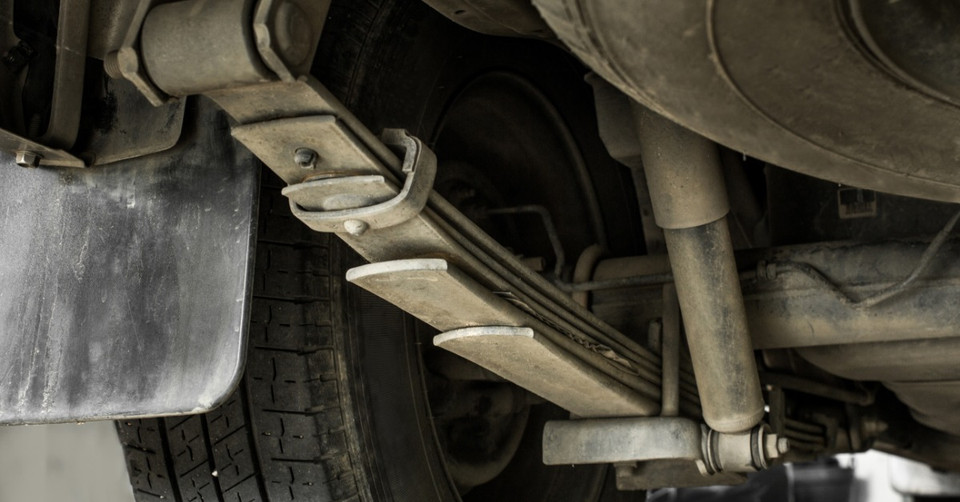
A squeak from the rear suspension turns every driveway entrance into an unwanted reminder. Many Tacoma owners first hear the noise after rain or after trail dust settles inside the spring pack. The sound seems minor at first, but the issue could point to friction somewhere within the leaf spring assembly.
Some noises appear only with an empty bed because unloaded leaves move differently across their pads. Others surface under cargo once the spring pack compresses into a new contact point. A proper Tacoma leaf spring squeak fix with OEM parts begins with careful inspection to find the exact area that’s causing the problem.
Secure the Truck Before Inspection
Leaf springs support substantial weight even when the truck rests on level ground. Park on a hard surface, and set the parking brake before placing wheel chocks at the front tires. Be sure to use rated jack stands beneath the frame, so the rear axle has constant support.
To keep yourself safe during the inspection, never crawl beneath a truck resting only on a jack. Spring leaves store energy and might shift once axle weight changes. A stable setup lets the spring pack move enough during inspection without exposing anyone to sudden suspension movement.
Inspect the Entire Spring Pack
Begin with a slow visual check from the front spring eye to the rear shackle. Inspect each leaf edge closely and note polished metal or reddish dust. Cracked pads and sideways leaf movement provide another strong sign of unwanted contact.
Next, press down on the rear corner of the bed or roll the truck slowly across a shallow curb. Listen near one spring at a time so the sound doesn’t blend with exhaust or body movement. A squeak tied to vertical travel usually points toward leaf contact or a spring eye bushing.
Clean the Leaf Contact Areas
Mud and fine gravel settle between spring leaves when traveling in damp or rugged conditions. Those particles grind across the steel as the pack flexes, and they produce a dry chirp. Cleaning removes the abrasive layer before it wears through protective coatings or damages plastic pads.
Rinse the spring pack with low-pressure water and use a nylon brush on exposed edges. Avoid forcing a metal tool between loaded leaves because it could scar the surface. Let the assembly dry fully before checking for any sound changes.
Evaluate the Spring Tip Pads
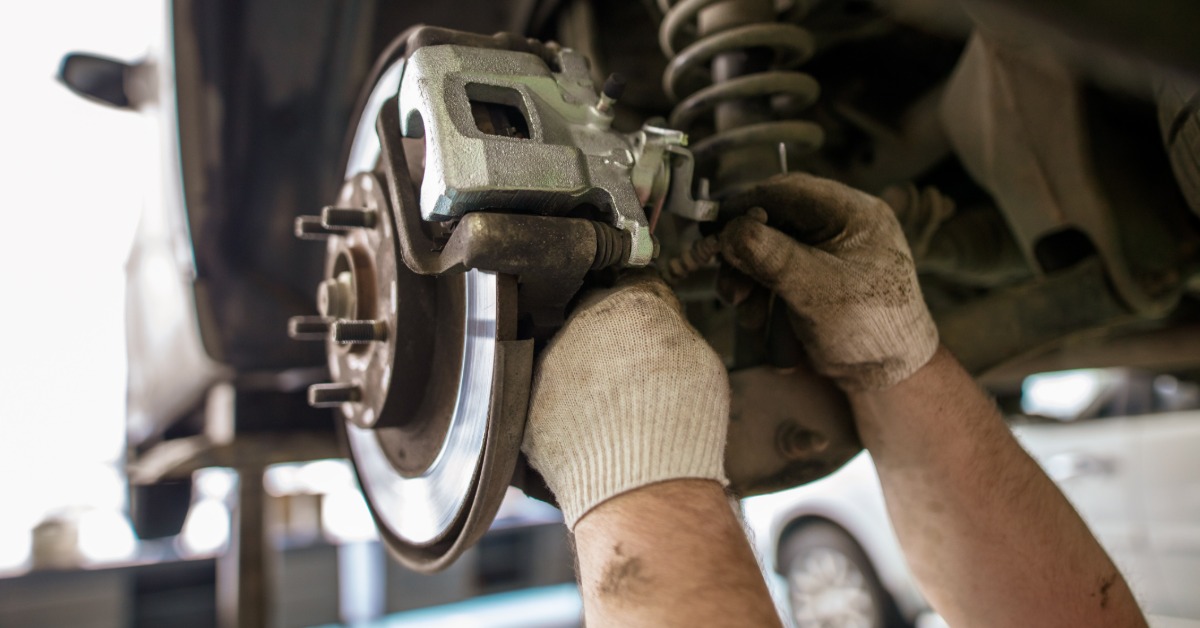
Many multi-leaf packs use small pads near the ends of individual leaves. These pieces separate steel surfaces as the spring pack bends under load. A missing or worn pad lets one leaf scrape directly across another.
Inspect each pad from the side, and compare its height with the matching piece on the opposite spring. A flattened pad might sit nearly flush with the leaf surface and show a polished ring nearby.
The leaf spring’s thickness and mounting style affect spring movement. Using an OEM replacement pad designed for Tacoma vehicles will ensure a proper fit.
Inspect the Spring Clamps
Spring clamps keep the leaves aligned as the pack flexes through suspension travel. A bent clamp might permit sideways motion and bring a leaf edge against nearby metal. Loose clamp liners sometimes chirp as the spring opens and closes.
Compare clamp position on both sides of the truck and inspect each liner closely. Bright wear near a clamp shows where movement has removed dirt or coating. Since the spring stores substantial force, never bend a clamp into shape without checking the service procedure first. Always treat the clamp area with caution since sudden movement could cause injury if the stored tension releases unexpectedly.
Replace the Spring Eye Bushings
The front spring eye and rear shackle contain bushings controlling movement at each mounting point. Dry rubber or worn inner sleeves might squeak as the suspension rotates through a small arc. Cracks or side movement suggest the bushing has lost its intended shape.
Watch the bushing as another person rocks the truck from the bed. The spring eye should rotate smoothly without jumping across the bolt. An OEM bushing restores the original sleeve size and rubber profile, so the joint follows its intended motion.
Verify U-Bolt Torque
U-bolts clamp the axle seat and spring pack into one rigid assembly. Lost clamping force lets the pack shift slightly during braking or body roll. Even though sound travels along the spring, the movement might cause squeaking sounds near the center bolt.
Check torque by following the specification tied to the exact model year and axle setup. This ensures that you’re following the appropriate values for your vehicle’s design. Then, you can replace stretched or damaged U-bolts instead of tightening hardware with distorted threads.
Use Approved Lubrication Products Carefully
Lubrication works only after inspection identifies the contact point causing the squeaking sound. Random oil across the full spring pack collects dust and hides a worn pad during a brief test. Petroleum products might damage certain rubber compounds around spring bushings.
Following Toyota service information keeps the repair focused on the exact surfaces designed to move against each other. These guidelines outline where lubrication belongs and where dry contact should remain untouched to preserve proper function. By using the specified product and applying it only at those points, you prevent contamination from spreading across the spring pack. This approach keeps dirt from sticking to excess lubricant and ensures the treatment addresses the true source of the squeak instead of masking it temporarily.
Replace Worn Spring Hardware
Noise might continue after cleaning because a pad or bushing has reached the end of its service life. Replacing the failed piece promptly, whether it’s a worn shackle or damaged fastener, will prevent nearby parts from absorbing excessive motion.
Some bushing bolts require normal ride height during tightening so the rubber rests in a neutral position. Tightening those bolts with the axle hanging might twist the bushing after the truck returns to the ground. Such preload shortens service life and might bring the squeak back.

Test the Repair
In order to determine if the squeaking noise is gone or not, you’ll need to drive the truck. It’s helpful to replicate the situation when the sound occurred. Drive across the same driveway angle or low-speed dip, and listen closely with the windows open.
After coming back home from the test drive, inspect the spring pack. Ensure that every fastener remains seated and no fresh contact mark is visible. When the hardware is stable and the truck operates quietly, the leaf spring issue will be a past problem.
Choose OEM Toyota Parts To Repair Your Vehicle
Fixing a leaf spring squeak relies on OEM replacement parts that match the original suspension design. Since fitment details vary across model years and suspension packages, confirming the truck’s information before ordering protects the repair from a shifting, unstable component.
Yota Shop offers Tacoma truck parts from OEM brands. Browse our inventory to find the parts that will fit the truck’s specifications and provide quiet operation.