
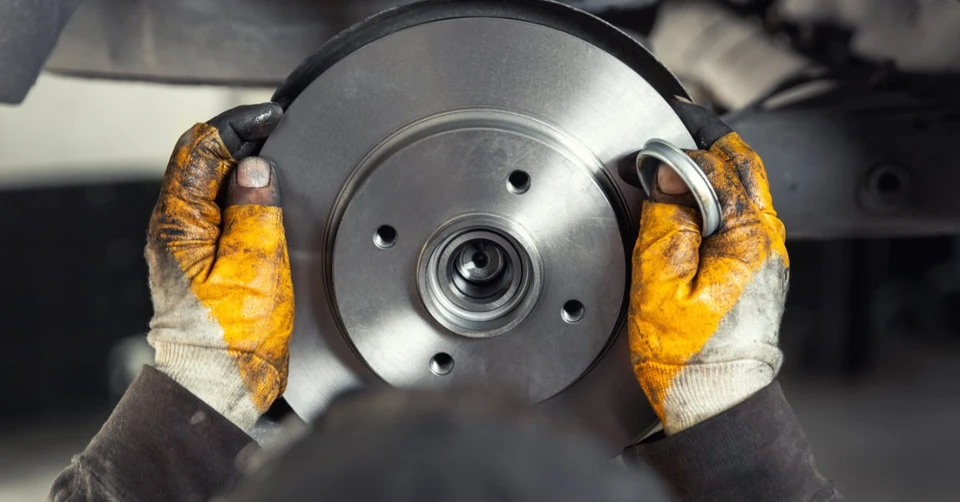
Brake rotors provide the friction surface that brake pads press against whenever the driver slows the vehicle. Their dimensions, construction, and ability to handle heat all influence how the braking system responds once pressure reaches the calipers. Replacement parts that don’t match the original brake system may introduce fitment problems or alter how the rotor functions. Choosing original equipment manufacturer (OEM) Toyota brake rotors aligns the replacement with the vehicle’s specifications.
1. Vehicle-Specific Fit
Brake systems vary across model years. Two vehicles from the same model line could use different rotor sizes or brake assemblies, so matching a replacement by model name alone doesn’t provide enough information. Original equipment rotors correspond with specific applications and account for the mounting arrangement used at the wheel hub. That vehicle-specific design reduces uncertainty when replacing a worn component.
Correct fit affects much more than whether the rotor slides onto the hub. Once installed, the friction surface must sit in the proper position between the brake pads so that the caliper applies the appropriate amount of pressure. The rotor must also work within the available space around the brake hardware, including the caliper. Instead of asking one broadly compatible rotor to suit several different brake assemblies, a properly matched part preserves brake function.
2. Precise Rotor Dimensions
Diameter, overall height, thickness, center bore size, and mounting-hole placement determine how a rotor fits within a braking system. Rotor diameter establishes how far the braking surface extends from the hub, while the height affects where that surface sits in relation to the caliper. Thickness influences both fit and the amount of material available to absorb braking heat.
OEM rotors use measurements selected for the brake assembly installed on the vehicle. Even a replacement that appears nearly identical can cause problems if one of those dimensions falls outside the required specification. Incorrect height could position the braking surface improperly within the caliper, and the wrong thickness could affect available clearance for the pads. Matching each measurement ensures that the brake system has the proper arrangement.
3. Efficient Heat Dissipation
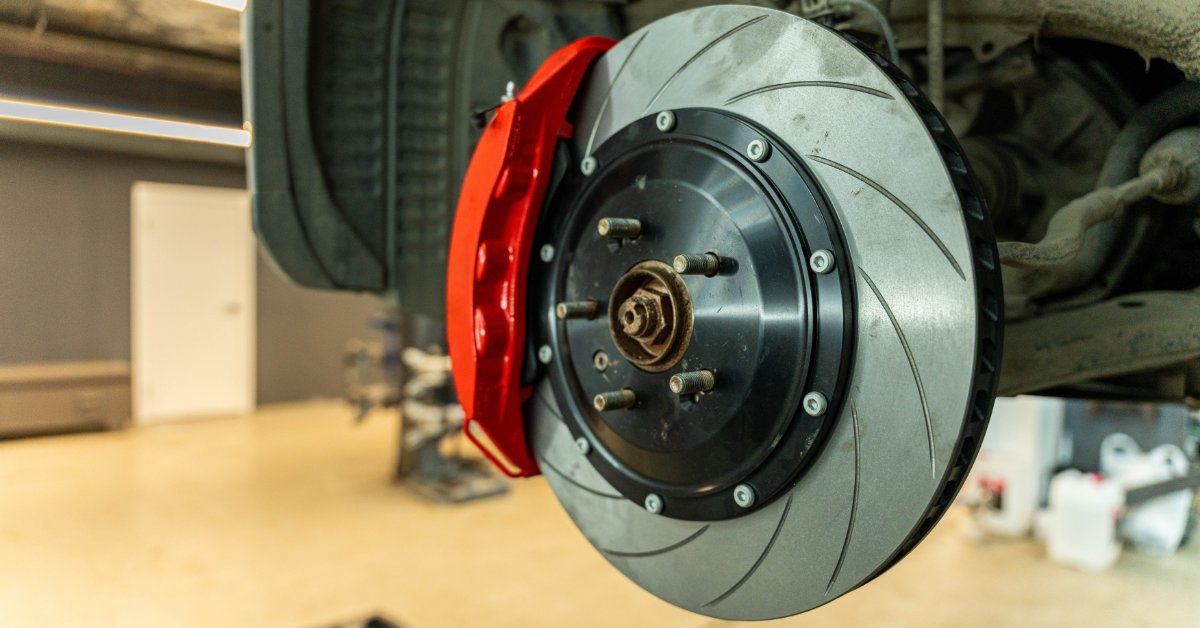
Friction produces heat every time the brake pads clamp against a spinning rotor. Light braking creates a moderate temperature increase, but repeated stops and extended braking increase rotor temperatures considerably. Descending a steep grade places additional thermal demand on the system because the brakes may remain engaged repeatedly over a sustained period. The rotor must absorb that energy and release heat efficiently.
Material thickness and rotor construction influence how the component handles those temperature changes. A rotor designed around the original braking system provides the mass and structure specified for the vehicle’s intended operation, which allows heat to move away from the friction surfaces. Excessive heat can contribute to changes in braking behavior and accelerate wear when the system cannot shed that energy effectively. OEM rotors feature heat dissipation characteristics designed for the vehicle model.
4. Correct Venting Design
Many front rotors use a vented construction with internal passages between the two friction surfaces. As the rotor turns, those passages carry air and heat through the component during braking. Other applications use solid rotors because the thermal demands at that position differ.
Replacing a vented component with the proper rotor preserves the airflow characteristics built into the original design. Internal vane arrangement, rotor thickness, and available air space all contribute to how a vented disc manages temperature. Those features become especially relevant under repeated braking because heat continues accumulating each time the pads contact the rotor. Matching the intended construction keeps thermal management consistent with the demands anticipated for that brake assembly.
5. Consistent Brake Pad Contact
Brake pads generate stopping force by pressing their friction material against both sides of the rotor. For that interaction to work smoothly, the braking surface must sit squarely within the caliper and provide the pads with the intended contact area. Rotor diameter and height affect where the pads meet the disc, so inaccurate dimensions could shift contact away from the position specified for the brake assembly.
A properly matched rotor allows the pad surface to engage the disc in the area designed to accept braking pressure. That relationship promotes even contact as the caliper clamps the pads against the spinning rotor. Surface condition still has a major influence because grooves, contamination, or substantial wear can interfere with pad contact even when the part fits correctly. Beginning with a rotor designed for the application removes incorrect sizing as one variable and gives the brake pads an appropriate surface to work against.
6. Controlled Brake Vibration
A smooth rotor surface rotates evenly between the brake pads, allowing the caliper to apply friction without repeated changes in contact. Problems develop when the rotor becomes distorted or develops excessive variation across its braking surface. As the affected area passes between the pads, the driver could feel pulsation through the brake pedal or vibration through the steering system.
Part selection alone won’t prevent every source of brake vibration because installation practices and component condition remain relevant. However, starting with the proper dimensions and application-specific construction gives the brake system a rotor developed for its intended mounting position. Correct specifications help the disc sit where the caliper expects it and allow the pads to contact the rotor across the intended surface.
7. Factory-Matched Brake Specifications
A rotor operates as one part of an interconnected brake assembly rather than as an independent friction surface. The caliper positions the pads around the disc, the hub locates the rotor at the wheel, and the pad shape determines the area used during braking. Factory specifications account for how these components work together, so rotor selection involves more than matching bolt holes or choosing a disc with a similar outside diameter.
Original equipment components retain the specifications assigned to that particular braking system. A universal or broadly compatible rotor could meet basic mounting requirements while differing in another measurement that affects its relationship with the caliper or pads. Vehicle-specific parts narrow the selection to components intended for a defined application. For owners performing their own brake repairs, that specificity provides useful guidance when several replacement rotors appear similar at first glance.
8. Defined Rotor Wear Limits
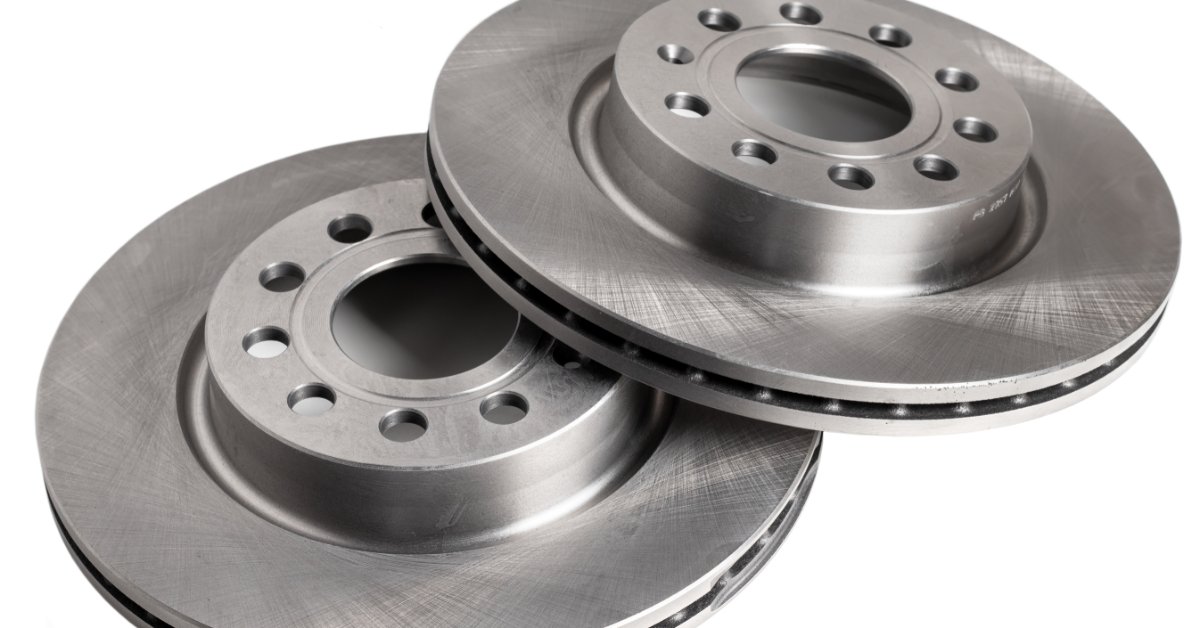
Rotors gradually lose material because braking repeatedly places the pad surface against the disc. Manufacturers specify a minimum thickness because the rotor cannot continue losing material indefinitely and still perform as designed. Technicians or vehicle owners can measure the braking surface with an appropriate gauge and compare that measurement with the minimum specification assigned to the rotor. It’s necessary to replace a disc that reaches or falls below its stated limit promptly.
Thickness matters because the remaining metal must absorb and release the heat generated through friction. As the material wears away, the rotor has less mass available. Since reduced rotor thickness decreases heat-dissipation capacity and mechanical strength, it’s valuable to replace the rotors with components designed for the vehicle’s specifications.
Install Rotors Designed for Vehicle Make and Model
Selecting the proper replacement deserves more consideration than finding a disc that physically mounts to the hub. OEM brake rotors for Toyota vehicles work within the specifications of the complete brake assembly.
When you’re ready to order Toyota parts online, choose Yota Shop. Our OEM replacements parts feature a wide range of Toyota models organized by year. We’ll make sure that you find the components designed specifically for your vehicle.