
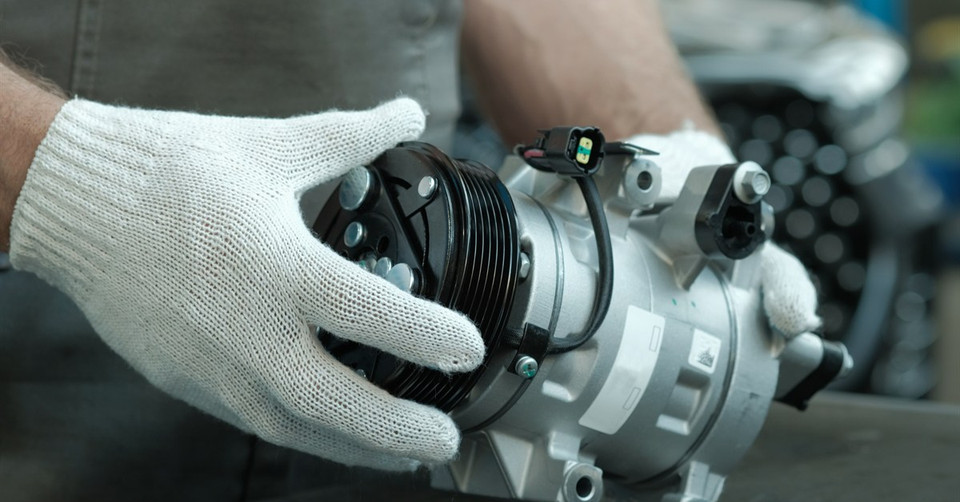
In Toyota models equipped with a magnetic AC compressor clutch, this component engages the compressor when the air conditioning system requests cooling. The clutch transfers power from the engine’s rotating accessory belt to the compressor, allowing refrigerant to circulate through the system.
When the clutch develops electrical or mechanical problems, the air conditioning system may struggle to maintain a consistent temperature or stop cooling altogether. Recognizing the signs of Toyota AC compressor clutch failure is valuable for identifying potential problems and restoring the vehicle’s air conditioning to proper working condition.
1. Air Conditioning Blows Warm Air
Warm air coming from the dashboard vents is one of the most noticeable indications of air conditioning trouble. The compressor normally pressurizes refrigerant and circulates it through the cooling system, allowing the evaporator to absorb heat from the cabin air. On a clutch-equipped compressor, the magnetic clutch connects the rotating pulley to the compressor shaft when the system requests cooling. If the clutch fails to engage, the compressor won’t circulate refrigerant properly, and the air coming from the vents will eventually approach the temperature of the surrounding air.
However, warm air doesn’t indicate a defective compressor clutch. Low refrigerant levels or electrical problems could interrupt compressor operation even when the clutch remains functional. Identifying the source of the cooling problem is essential before attributing the malfunction to clutch failure.
2. AC Compressor Clutch Fails To Engage
When a driver activates the air conditioning, the system’s electrical controls typically energize an electromagnetic coil inside the compressor clutch assembly. The resulting magnetic field pulls the clutch plate against the rotating pulley, transferring engine power to the compressor shaft. A functioning clutch usually produces a noticeable click as the plate engages, although engine noise might obscure the sound.
If the clutch doesn’t engage despite receiving the appropriate electrical command, the compressor won’t operate correctly. Several faults could prevent the clutch from engaging, including a damaged electromagnetic coil or excessive clearance between the clutch plate and pulley.

3. Cabin Air Temperature Fluctuates
An air conditioning system that alternates between cold and warm air could indicate intermittent compressor clutch operation. During normal cooling, the clutch engages according to the system’s temperature and pressure demands. A deteriorating clutch coil or improper clutch clearance might interrupt this process, causing the compressor to stop circulating refrigerant even though the cabin still requires cooling. As a result, the vents might initially deliver cold air before the temperature gradually rises.
Heat-related electrical problems present another possible explanation for inconsistent cooling. As the engine compartment warms, a deteriorating electromagnetic coil could lose its ability to engage the clutch reliably. Once the assembly cools, normal operation might return temporarily before the problem develops again. Although some temperature variation occurs during normal compressor cycling, repeated cooling interruptions under consistent operating conditions warrant further investigation.
4. Rattling Noises Come From the Compressor Pulley
An unusual rattling sound near the compressor could indicate deterioration of the clutch pulley bearing. On many clutch-equipped systems, the engine’s accessory belt continuously rotates the compressor pulley even when the magnetic clutch remains disengaged. A bearing inside the pulley allows this movement while the compressor shaft remains stationary. As its internal surfaces wear, the bearing might develop excessive play or rough movement that produces rattling or grinding noises.
The timing of the sound provides valuable information about its possible origin. For example, rattling that continues with the air conditioning switched off could indicate a worn pulley bearing because the pulley still rotates with the engine running. Deterioration might eventually cause the bearing to seize or interfere with the accessory belt.
5. Squealing Sounds Accompany Clutch Engagement
A sharp squealing noise when the air conditioning activates could indicate that the compressor clutch isn’t transferring rotational force properly. Once the electromagnetic coil pulls the clutch plate against the pulley, friction between their contact surfaces allows both components to rotate together.
Worn friction surfaces or insufficient magnetic force could cause the clutch to slip during engagement. This slipping motion generates heat and sometimes produces a high-pitched sound as the surfaces struggle to maintain contact.
A worn accessory belt might slip when compressor engagement increases the load on the engine’s belt drive system. Likewise, excessive resistance inside the compressor could place significant strain on the clutch assembly and belt. Distinguishing these conditions is important because replacing the clutch won’t resolve squealing that originates from a damaged belt.
6. Compressor Clutch Produces a Burning Smell
Excessive friction within the compressor clutch assembly could produce a noticeable burning odor near the engine compartment. During normal engagement, the clutch plate grips the pulley firmly enough to transfer rotational force with minimal slipping. When deteriorating friction surfaces fail to maintain that connection, repeated slipping generates substantial heat. The resulting temperature increase could damage the clutch material and produce an odor resembling overheated brakes.
Electrical faults create another possible source of excessive clutch heat. A deteriorating electromagnetic coil might develop an internal short that increases electrical current and damages its insulation.
In severe cases, the surrounding components could exhibit discoloration or other evidence of overheating. Because a burning odor might originate from several engine components, the smell alone doesn’t establish a clutch failure. Nevertheless, continued operation under excessive heat could cause additional damage to the compressor assembly or accessory drive system.
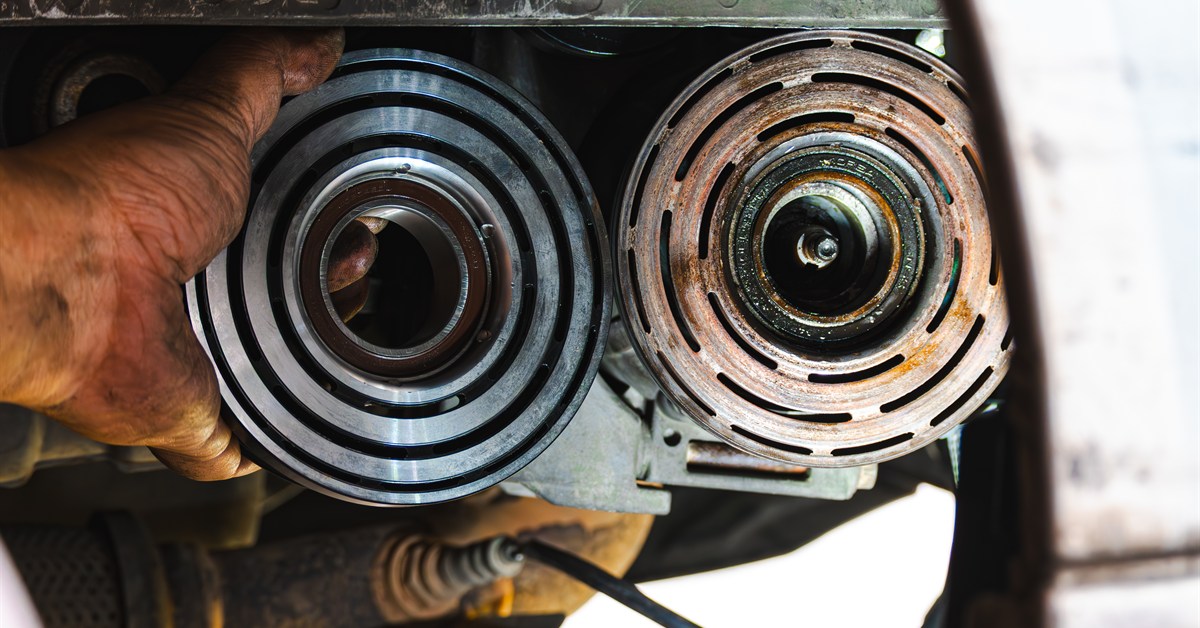
7. Clutch Plate Develops Heat Damage
Visible changes to the clutch plate might indicate that excessive friction has affected the assembly. The plate relies on a consistent contact surface to grip the pulley whenever the electromagnetic coil engages. Repeated slipping generates heat that could discolor the metal, damage the friction surface, or leave noticeable scoring. These changes suggest that the clutch has experienced abnormal operating conditions and may no longer transfer rotational force consistently.
8. Compressor Clutch Rapidly Engages and Disengages
Frequent clicking from the compressor area might indicate that the magnetic clutch is repeatedly engaging and releasing. Normal air conditioning operation involves controlled clutch cycling on many Toyota systems because the compressor doesn’t necessarily operate continuously. However, unusually rapid engagement and disengagement could suggest an unstable electrical connection or intermittent clutch coil operation. Such interruptions prevent the compressor from maintaining the operation that the climate control system requests.
Refrigerant pressure problems provide another explanation for rapid clutch cycling. When system pressure falls outside the permitted range, the air conditioning controls might disengage the compressor to protect its internal components. Examining the frequency and operating conditions of the cycling assists in distinguishing normal system behavior from a developing malfunction.
Address Toyota AC Compressor Clutch Problems
A failing AC compressor clutch on a Toyota vehicle strains the air conditioning system and could damage additional components. Identifying the source of the problem and addressing it promptly will restore reliable cooling.
When replacement becomes necessary, selecting components that match the vehicle’s specifications is essential. Yota Shop carries genuine Toyota components like Denso auto parts for various vehicle systems. Explore the available AC compressors and related components to find quality parts that suit your Toyota’s model and year.