
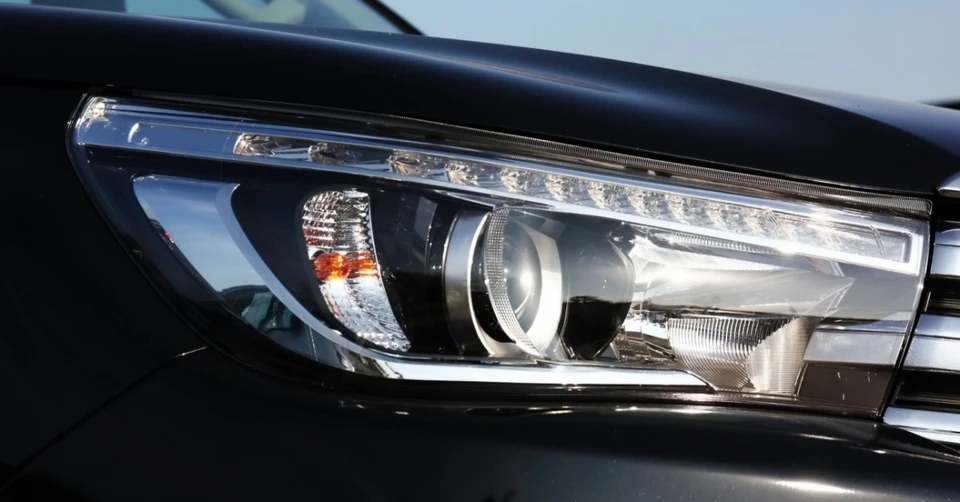
Headlight technology isn’t the same as it once was when Toyota’s pickup trucks first left the factory. Halogen bulbs and sealed-beam lamps were common in vehicles. Drivers who spend time on dark highways, rural roads, or trails might prefer to switch out those bulbs for the bright output of LEDs. Before taking that next step, it’s important to learn about the pickup truck’s existing headlight setup and which LED design will suit the vehicle.
Understand the Existing Headlight Setup
First, owners have to understand how the existing headlight produces and directs light. Pickup models span several decades, so their lighting systems vary considerably according to model year and trim. An old truck may rely on a sealed-beam headlamp, whereas more recent designs commonly place a replaceable halogen bulb inside a separate housing.
Identify the Factory Headlight Type
A sealed-beam headlight combines the light source, reflector, and lens into one assembly. When the light fails, the driver replaces the complete lamp rather than removing a bulb from the back. An LED conversion for this design typically involves a complete compatible replacement assembly instead of a bulb swap.
Replaceable-bulb headlights work differently. Instead, the housing remains on the truck when the halogen bulb reaches the end of its service life. The bulb sits at a specific location in relation to the reflector, so matching the socket doesn’t guarantee suitable LED performance. Confirming the original lamp design provides a useful starting point for evaluating available options.
Why Drivers Switch to LED
LED lighting attracts owners for several reasons beyond its modern appearance. Many products produce a white light that contrasts sharply with the warm yellow tone associated with traditional halogen bulbs. LEDs can also use electrical energy differently from conventional lighting and offer a long operating life when manufacturers manage heat effectively.
Still, advertised brightness alone doesn’t indicate how well a headlight will illuminate the road. Light needs to leave the housing in a controlled pattern, and a poorly matched LED can produce intense light close to the truck without projecting it effectively into the distance. A successful conversion depends on the complete lighting system rather than the output rating printed on a package.
Match LEDs to the Housing
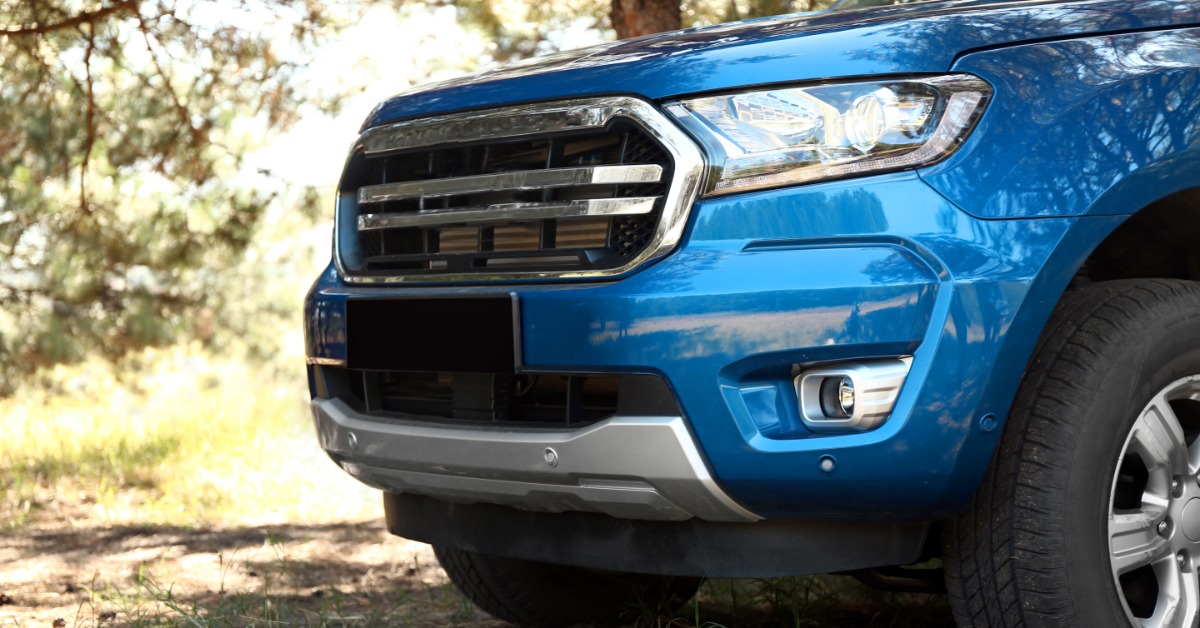
Headlight housings use the position of the original light source to shape the beam. With a halogen bulb, the reflector design centers around a filament located at a precise point inside the housing. LED retrofit manufacturers attempt to place their emitters in a similar location so the reflector directs the light properly.
Physical space is a driving factor as well. Many LED bulbs contain a heat sink, cooling fan, or electronics behind the mounting base. Therefore, they occupy more room than the halogen bulb they’re replacing. Dust covers, bulb retainers, and nearby components could interfere with installation, too, even if the base size matches.
Pay Attention to the Beam Pattern
Useful headlight performance depends heavily on where the housing sends the light. A low beam should illuminate the roadway without directing excessive glare toward approaching traffic, so the reflector and light source have to work together. Moving the source even slightly away from the position the housing expects can alter the resulting pattern.
An LED bulb with poorly positioned emitters may produce bright patches, dark areas, or scattered light. Those effects explain why two bulbs with similar advertised output can perform very differently inside the same housing. A well-designed conversion places emphasis on controlled distribution rather than pure brightness alone.
Consider Color Temperature
Color temperature describes the visual tone of the emitted light and uses Kelvin as its unit of measurement. Traditional halogen lamps generally produce a warmer appearance, whereas many automotive LEDs emit a crisp white tone. Some retrofit products fall between 6,000 and 6,500 Kelvin, although specifications vary by manufacturer and product line.
A high Kelvin number doesn’t automatically produce beneficial illumination. Very cool light appears striking from the front of the vehicle, but beam control determines how effectively the driver views the roadway. Owners comparing products should treat color temperature as one characteristic of the lamp rather than the primary measure of performance.
Check the Electrical Connection
LEDs interact with the truck’s electrical system differently from traditional bulbs. The connector has to match the intended application, and any driver electronics included with the LED must operate properly with the vehicle’s supply voltage. A loose connector or poorly designed driver can contribute to flickering or unreliable operation.
Some modern vehicles monitor exterior lighting and interpret the reduced electrical load from an LED as a failed bulb. Manufacturers sometimes use adapters or integrated electronics to address those detection problems. Old pickups may have simple circuits, but owners should inspect sockets, grounds, and wiring to ensure they’re in good condition.
Account for LED Heat Management
LEDs don’t handle heat in the same manner as halogen filaments. Their electronics generate heat near the base of the lamp, so manufacturers rely on heat sinks, fans, or other cooling designs to move that heat away from sensitive components.
Cooling design affects both fit and longevity. A large heat sink may conflict with the available space behind the housing, and a fan requires enough clearance to move air around the bulb. Choosing a compact product without considering thermal management could trade installation convenience for reduced durability.
Pay Attention to Toyota Model Variations
Pickup, Tacoma, and Tundra lighting systems vary by generation and trim. Therefore, one conversion approach won’t apply to every truck. Owners working with an older model may encounter sealed-beam lighting or comparatively simple bulb arrangements, whereas later designs might feature projector housings, daytime running lights, or increasingly integrated lighting assemblies.
Those differences are important to note before shopping by vehicle name alone. Two trucks from the same model line may use distinct headlight equipment because of a trim package or model-year update. Checking the existing assembly and factory specifications provides a much more reliable basis for selecting compatible lighting components.
Consider Factory LED Equipment
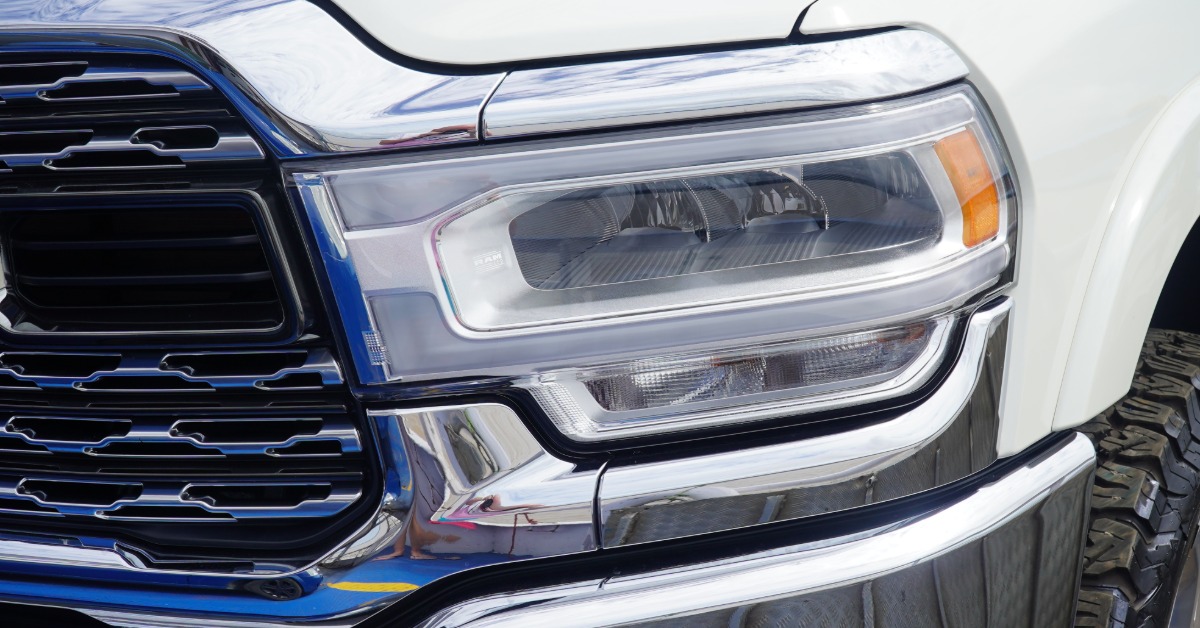
Factory LED headlights became available gradually rather than appearing across an entire truck line at once. For the 2018 Tundra, the Limited, Platinum, and 1794 Edition models received LED headlights, while SR and SR5 grades retained halogen headlights in standard form. Certain packages could change that equipment combination.
The 2020 Tacoma followed a similar trim-based approach. Limited models received LED headlamps as standard equipment, the TRD Pro used sequential LED headlamps, and TRD Sport or TRD Off-Road buyers could select LED headlamps as an available upgrade. These examples show why a model year alone doesn’t always reveal which headlight system sits on a particular truck.
Upgrade Your Pickup With Quality Parts
Adjusting the lighting requires drivers to understand the existing equipment and which components will complement the current design. By focusing on the housing, electrical connections, and heat management features, you’ll be able to upgrade your pickup’s headlights to LEDs with ease.
Yota Shop carries high-quality Toyota truck parts for a wide range of pickup models. Browse by model year to find parts suited to the truck and keep upcoming maintenance projects moving in the right direction.