
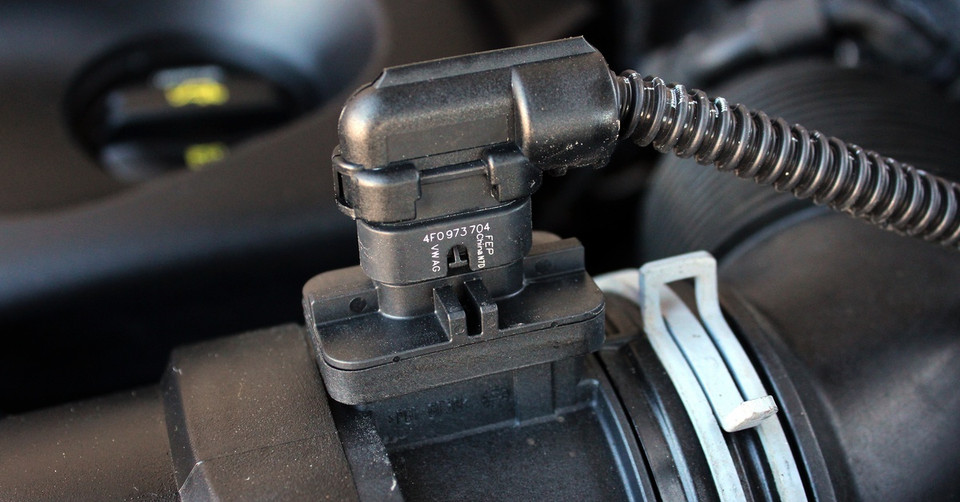
A mass air flow (MAF) sensor handles a measurement the engine computer uses every time the engine runs. Small errors in the reading change how the electronic control unit (ECU) calculates fuel delivery across idle and acceleration.
Understanding Denso MAF sensor quality standards will reinforce why sensor design deserves careful evaluating before a replacement goes into an intake system. The details become especially useful to owners who want to diagnose and repair their Toyota vehicles at home.
What Does an MAF Sensor Measure?
The mass air flow sensor measures the amount of air entering an engine and sends an electrical signal to the engine control unit. The ECU uses this information to calculate an appropriate amount of fuel for combustion. Airflow measurement is the foundation of the sensor’s job, and accurate input gives the computer useful information as engine demand fluctuates.
Most MAF sensors sit in the intake tract where incoming air passes through the sensor before reaching the engine. Airflow rises as the throttle opens and engine load increases. The sensor is responsible for detecting any changes to ensure that the ECU bases its calculation on an accurate incoming signal.
How Airflow Data Guides Fueling
Fuel delivery depends on knowing how much air enters the engine at a given moment. An inaccurate signal pushes the ECU toward an air-fuel calculation mismatched with actual airflow. Poor readings contribute to rough idle or weak acceleration because the computer operates based on a flawed input.
The connection between airflow and fueling explains why sensor accuracy belongs in auto repairs. A replacement unit isn’t simply an electrical part plugged into the intake. Its job involves measuring changing airflow and communicating the data quickly enough for the ECU to respond during shifting operating conditions.
Why Do Precise Measurements Matter?
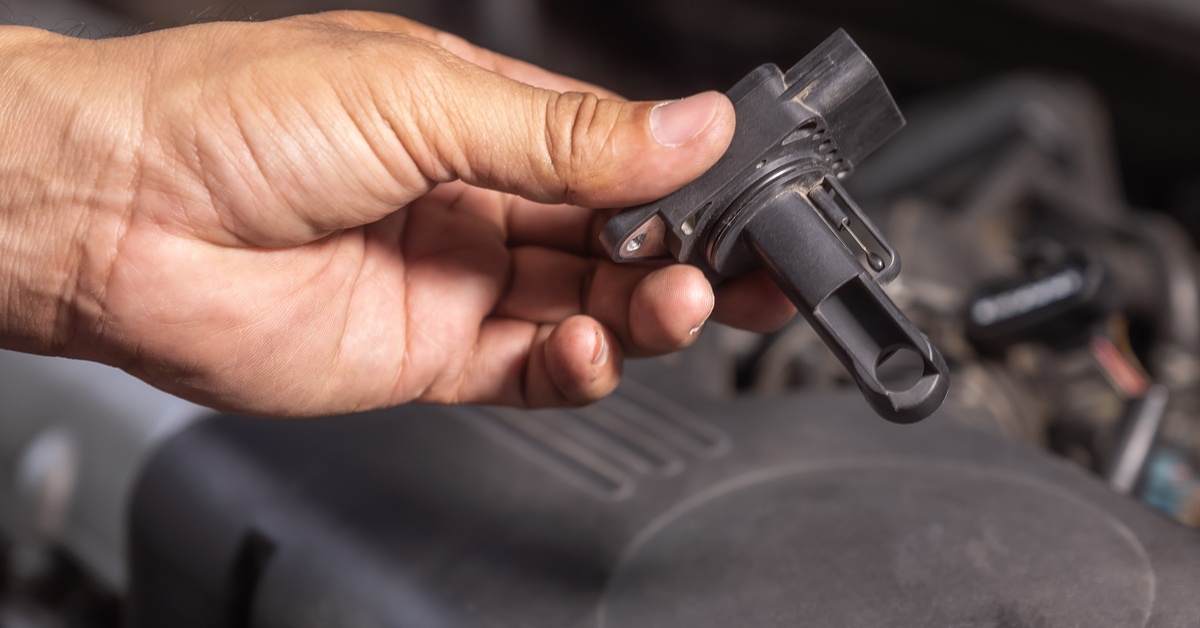
An MAF sensor operates across very different airflow levels from idle through heavy engine load. Consistent readings across those conditions are part of dependable engine management. A sensor may read accurately at one airflow level, then drift at another and cause problems seemingly unrelated to the intake system.
Denso states it develops MAF sensors to meet vehicle manufacturer requirements. Manufacturer requirements provide a useful benchmark because a sensor has to suit the expectations of the engine management system using its signal. Replacement choices benefit from verified fitment and intended application because connector shape alone doesn’t establish compatibility.
Consistency is just as important as a single accurate reading. The ECU expects the sensor signal to follow airflow changes in a repeatable way each time the engine moves through similar conditions. Stable behavior lets diagnostic data remain meaningful when an owner compares readings during troubleshooting.
Examine the Sensing Element Design
Inside the sensor sits the element responsible for detecting airflow changes. Denso uses a fine platinum wire sensing element designed to respond quickly as airflow changes. Manufacturers coat the wire with a glass film to protect the sensing surface from contaminants. This construction focuses directly on the part of the sensor responsible for producing the measurement.
The sensing element has to remain exposed enough to detect airflow yet protected enough to maintain dependable readings. Addressing both concerns through sensor design supports measurement consistency throughout normal engine operation.
Limit Contamination at the Sensor
Air entering the intake carries dust and other particles before filtration removes most of them. Material reaching the sensing area interferes with the way the sensor reads airflow. Denso uses an air bypass structure designed to limit sensing-unit exposure and support detection accuracy. Its glass-film coating provides another layer of protection around the platinum wire.
A clean air filter supports the same goal from outside the sensor. Keeping the air filter in good working condition will safeguard the MAF sensor’s performance.
Track Changes in Airflow Quickly
Airflow through the intake doesn’t remain fixed once the engine is running. Throttle movement changes the volume of incoming air, and the ECU has to react to those changes. Therefore, the sensing element needs sufficient response speed to provide useful information as airflow rises or falls.
The platinum wire element in Denso designs responds to airflow changes promptly. With quick adjustments, the ECU is able to adjust fuel delivery efficiently.
Control Manufacturing From Design to Production
Sensor performance depends on more than the sensing element itself. Manufacturing controls affect the product’s quality. Many manufacturing sites that produce Denso components operate under strict quality systems.
IATF 16949 is a global automotive quality management standard that focuses on reducing variation and preventing defects throughout the production process. It ensures that parts go through consistent processes that meet vehicle manufacturer expectations. Additionally, ISO 9001 is a widely recognized quality management certification that sets requirements for consistent production practices, documentation, and continuous improvement across manufacturing operations.
External Factors Affect Sensor Operation
An MAF sensor works in an intake stream where temperature changes and airborne residue can influence the sensing environment. Reliable operation depends on a design that preserves useful airflow measurements as those outside conditions shift. Denso sensors are able to address these challenges through features built around the sensing element and the path incoming air takes through the sensor.
Temperature Changes Alter Heat Transfer
Hot-wire MAF technology measures airflow through controlled heat transfer at the sensing element. The platinum wire stays heated above incoming air temperature and loses heat as air moves past it. Cold air removes heat differently from warm air because air density and thermal conditions change across engine operation. Electronics must interpret the resulting electrical change as part of the airflow measurement.
Therefore, temperature swings test whether the sensor can produce stable information across cold starts and a fully warmed engine bay. Denso uses a fine platinum wire designed to respond quickly as airflow changes. Fast thermal response supports useful readings as intake conditions shift from one operating state to another.
Contaminants Interfere With Sensor Readings
Dirt and oily residue introduce another challenge. Deposits resting on the sensing surface interfere with heat transfer. Even a thin coating may alter how the element reacts to passing air and distort the resulting measurement. That’s why it’s important to protect the sensing area.
Denso uses a glass-film coating around the platinum wire to limit direct exposure to contaminants. The air bypass structure directs airflow through the sensor in a controlled manner and limits contamination around the sensing unit. Together, these design features protect the measurement process from conditions found inside an active intake system.
Drive a Vehicle With Dependable MAF Sensors
A functional MAF sensor gives the engine computer dependable airflow data for calculating fuel delivery. Denso MAF sensor quality standards support consistent operation through careful sensor design and controlled manufacturing. Choosing a well-made replacement becomes especially important when inaccurate readings affect how the engine responds.
Yota Shop carries Denso parts for Toyota owners completing DIY repairs. Explore the available sensor options and check the listed applications to find a part suited to your vehicle’s year and model for an efficient improvement.