
If you've been researching differential breathers, you've probably seen conflicting information.
- "Toyota breathers are one-way."
- "Toyota breathers are two-way."
- "You only need a breather extension if you drive through deep water."
The truth is a little more complicated.
Let's explain how Toyota differential breathers actually work and when a breather extension is a worthwhile upgrade.
Why Does a Differential Need a Breather?
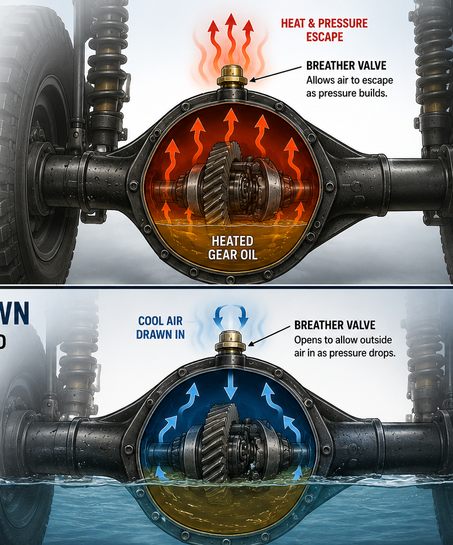
Inside every differential is a small amount of air above the gear oil.
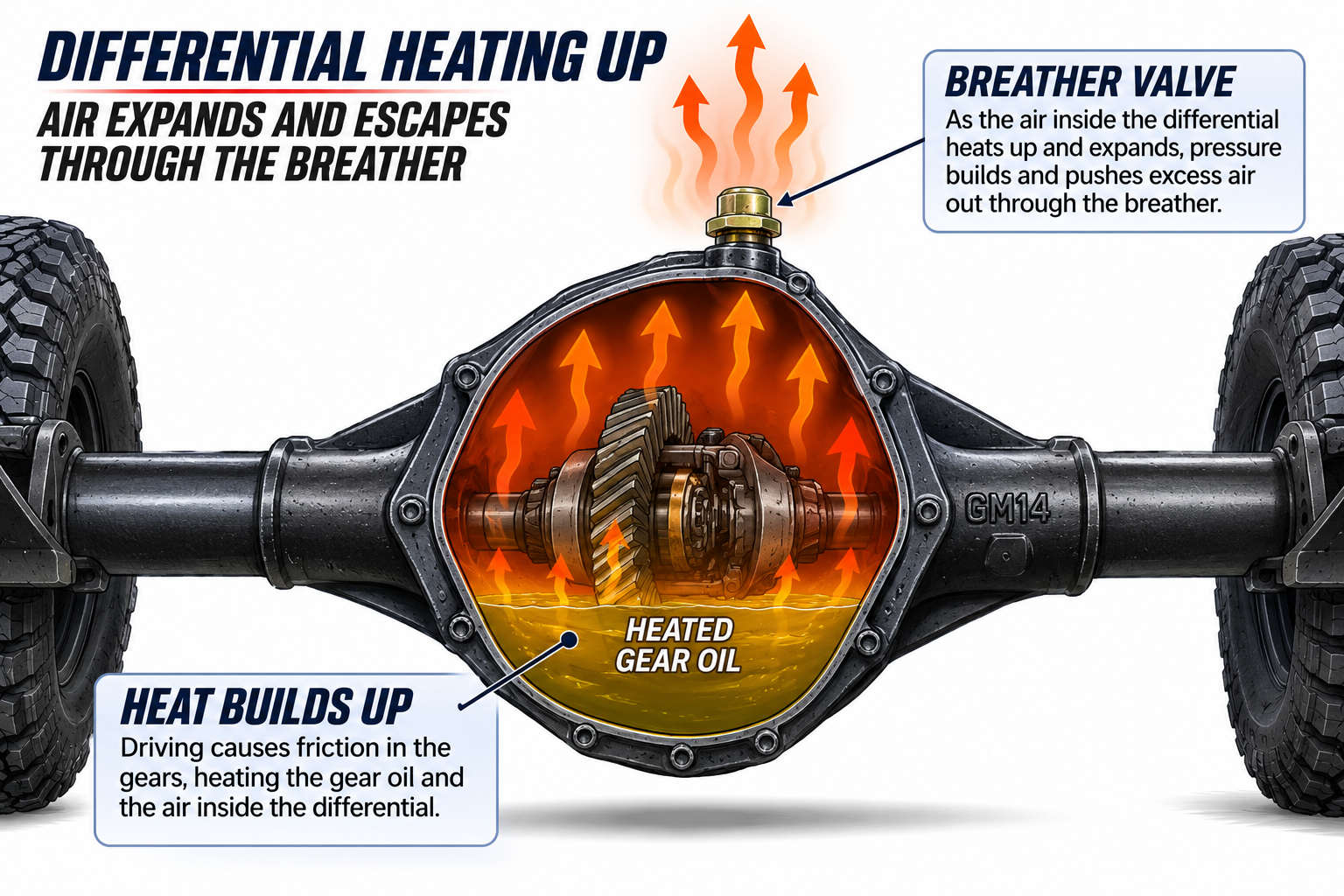
As you drive, the ring and pinion gears churn the oil, creating friction and heat. It's common for the axle housing to become well over 150°F during normal highway driving, and temperatures can climb even higher when towing, off-roading, or driving long distances.
When the differential heats up:
- The gear oil expands slightly.
- The air inside the housing expands.
- Internal pressure increases.
Without a breather, that pressure would eventually force oil past the axle seals or pinion seal.
A breather allows the housing to equalize pressure while helping keep contaminants out.
What Happens When the Differential Cools?
The opposite happens when the differential cools.
As temperatures drop:
- The air inside contracts.
- Internal pressure becomes lower than atmospheric pressure.
- The differential must pull fresh air back inside.
This means every properly functioning differential must be able to both:
- Vent expanding air out.
- Draw air back in as it cools.
If it couldn't, seals could be damaged or excessive vacuum could develop inside the housing.
Are Toyota Breathers One-Way or Two-Way?
This is where much of the confusion begins.
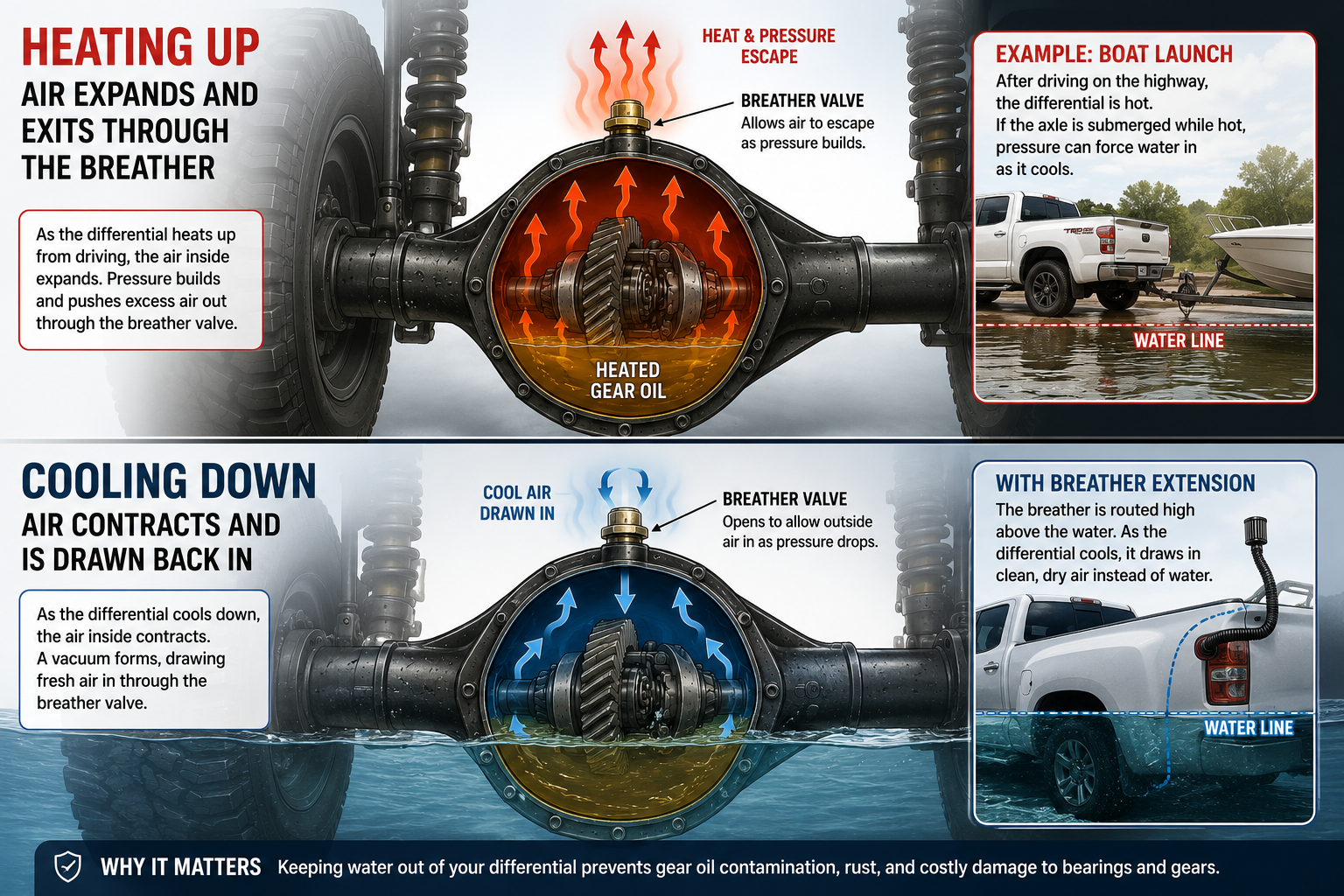
The factory Toyota axle breather is a spring-loaded pressure vent.
As pressure inside the axle increases, the small cap lifts slightly and allows excess air to escape.
As the axle cools, outside air is drawn back into the housing around the same valve.
So while many people describe the factory breather as "one-way," in normal operation it functions as a pressure-relief vent that allows the differential to both exhale and inhale.
The important distinction is that it is not a sealed check valve and it is not waterproof.
Why Water Can Enter the Differential
Imagine driving on the highway for an hour.
Your differential is now hot.
You immediately drive into a cold creek.
The axle housing cools rapidly.
The air inside contracts almost instantly, creating a vacuum.
If the factory breather is submerged at that moment, the differential can draw water through the breather and into the housing.
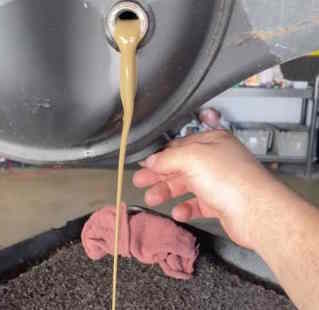
Even a small amount of water contaminates the gear oil.
Water mixed with gear oil can:
- Reduce lubrication
- Cause bearing damage
- Promote rust
- Shorten ring and pinion life
This is the primary reason off-road enthusiasts install breather extensions.
Do You Need Deep Water to Have Problems?
Not necessarily.
Most people picture crossing a river up to the headlights.
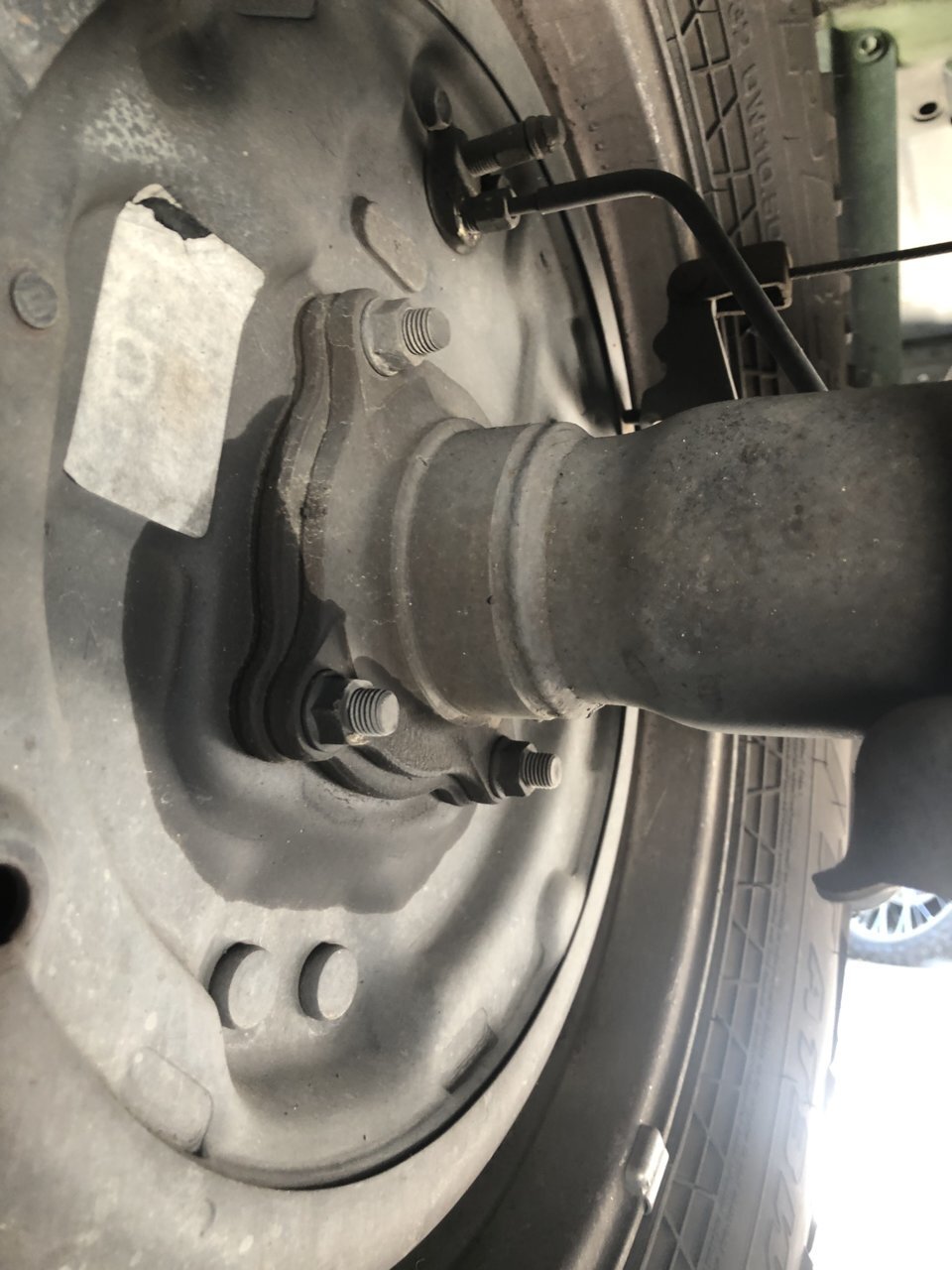
In reality, the factory rear axle breather sits fairly low on the axle housing.
Depending on the vehicle, water can reach it during:
- Mud holes
- Snow melt
- Flooded roads
- Boat launches
- Deep puddles
- Stream crossings
If the differential is hot and the breather becomes submerged, contamination becomes possible.
What Does a Breather Extension Do?
A breather extension relocates the vent from the axle housing to a much higher location on the vehicle.
Typically, the new breather is mounted inside the fuel filler area, behind a tail light, or high on the frame.
Now, even if the axle is underwater, the breather remains well above the waterline.
When the differential cools, it draws clean, dry air instead of water.
Does a Breather Extension Change How the Differential Breathes?
No.
The differential still:
- Releases expanding air.
- Draws air back in as it cools.
The extension simply moves the breathing point to a cleaner, safer location.
Is a Breather Extension Worth It?
For many Toyota owners, yes.
A breather extension is inexpensive insurance compared to the cost of repairing contaminated bearings, replacing seals, or rebuilding a differential.
It's especially recommended if your Toyota regularly sees:
- Off-road trails
- Water crossings
- Mud
- Snow
- Flooded roads
- Boat launches
Even if you rarely encounter water, relocating the breather also helps reduce exposure to dust, dirt, and road debris.
Cost of diff replacement can be hundreds to thousands depending on gear, bearing, locker damage from water. Differential breather extensions are less that $50, less that an hour to install and save maintanence and repair costs.
Frequently Asked Questions
Can a clogged breather cause axle seal leaks?
Yes.
If the breather becomes plugged with dirt or corrosion, pressure can build inside the axle housing as it heats up. Excess pressure may force gear oil past the axle seals or pinion seal.
Can water damage the differential?
Yes.
Water contaminates gear oil, reducing its ability to lubricate bearings and gears. Continued operation with contaminated oil can lead to rust, premature bearing wear, and expensive repairs.
Is a breather extension difficult to install?
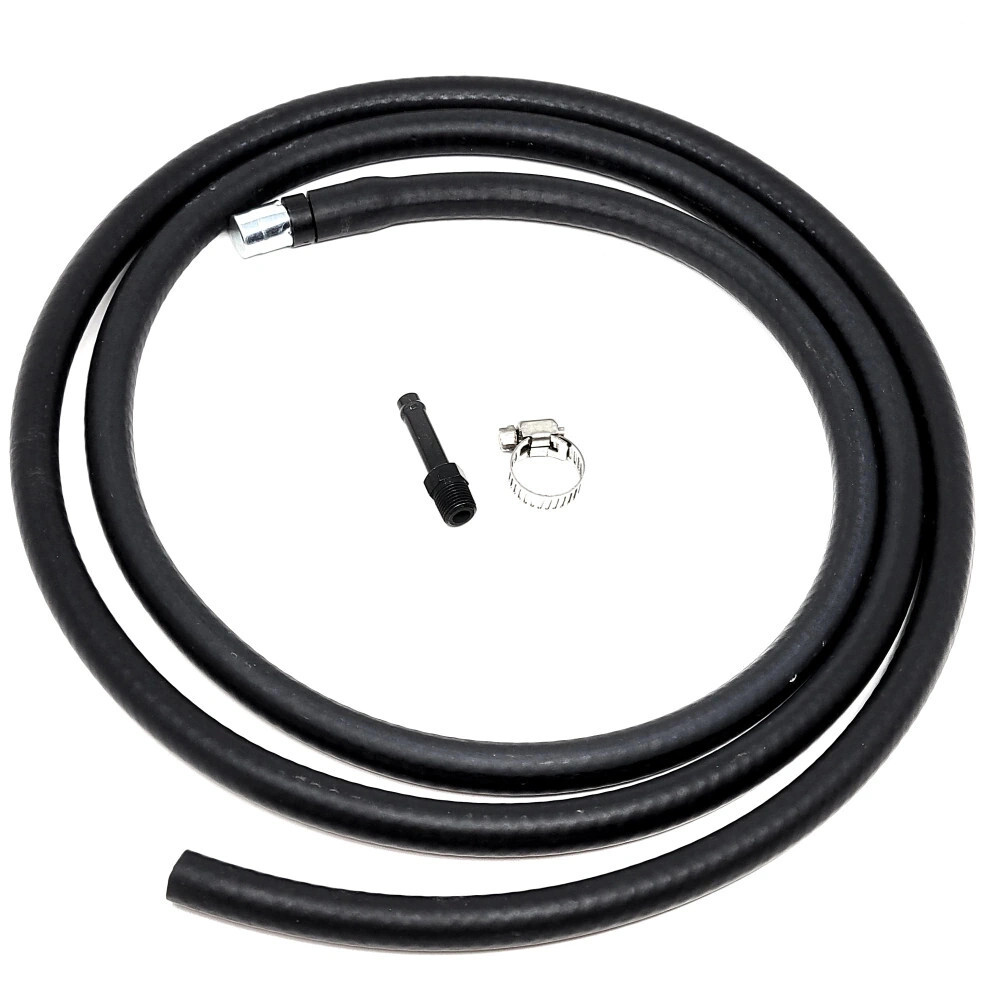
Most Toyota breather extension kits install using the factory breather port and basic hand tools. Installation typically takes less than an hour.
The Bottom Line
Your Toyota's differential needs to breathe every time it heats up and cools down. The factory breather is designed to relieve pressure, but because it sits low on the axle housing, it can allow water to enter if the axle is submerged while hot.
A breather extension doesn't change how the differential works—it simply relocates the vent to a higher, cleaner location, helping protect one of the most expensive components in your drivetrain.
At YotaShop, our Kit-1012 Differential Breather Extension Kit is designed to provide a simple, reliable solution for Toyota owners who want additional protection for their rear differential, whether they're exploring back roads, launching a boat, or simply preparing for the unexpected.